Blog
Best Exotic Cannabis Genetics in Germany: What Sets Premium Cultivars Apart

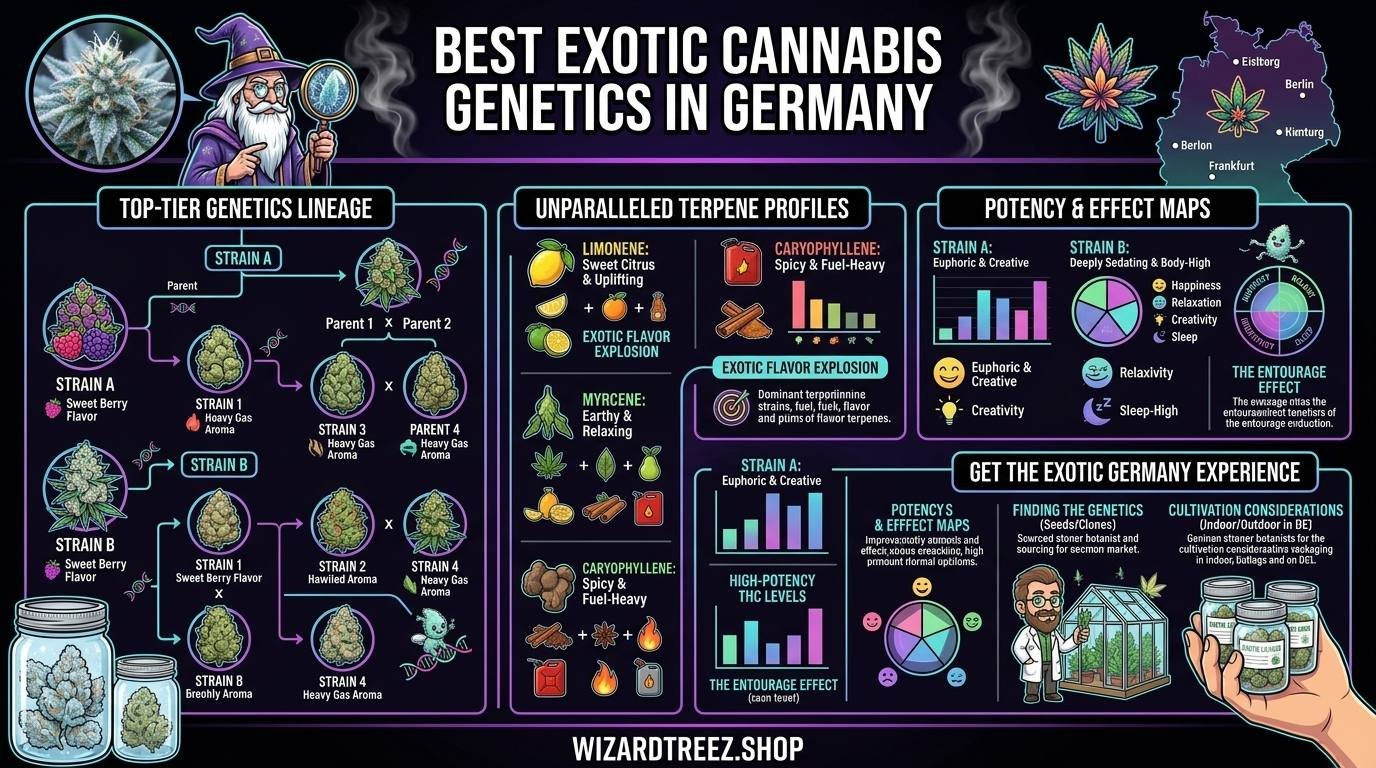
The best exotic cannabis genetics in Germany are defined by more than fashionable strain names or high potency claims. Premium genetics should offer verified lineage, distinctive terpene expression, strong plant structure, resin potential and enough phenotypic depth to reward careful selection.
For Germany’s increasingly genetics-aware cannabis community, cultivars such as RS11, Zoza, Zangria-influenced crosses and Permanent Marker represent the modern flavour-first direction. These strains are discussed not simply because they are “Cali” genetics, but because their best expressions combine recognisable aromas, visual quality and breeding value.
Germany’s evolving cannabis framework has also encouraged more adults to learn about seeds, lineage and cultivation quality. That has raised an important question: what genuinely separates elite exotic genetics from ordinary seed stock carrying a popular name?
What Defines the Best Exotic Cannabis Genetics in Germany?
“Exotic” is one of the most overused words in modern cannabis.
It is often applied to anything colourful, sweet-smelling or connected to an American breeder. Real exotic quality, however, is more specific. It describes genetics capable of producing unusual, clearly defined traits that stand apart from generic commercial flower.
The strongest genetics usually offer several of the following qualities:
- A traceable breeder and documented lineage
- A recognisable terpene profile
- Strong aroma before and after grinding
- Flavour that carries through the exhale
- Dense trichome and resin production
- Attractive but functional flower structure
- Useful variation for phenotype selection
- An identity that remains clear after drying and curing
A strain does not become elite simply because one photograph looks impressive. The genetic potential must be repeatable enough for skilled cultivators to recognise the family while still leaving room to discover an exceptional keeper.
Why Germany Has Become More Interested in Premium Genetics
Germany’s cannabis conversation has changed considerably since the Cannabis Act introduced limited adult possession, private cultivation and non-commercial cultivation associations.
Adults who qualify under the law may cultivate a limited number of plants for personal use, while licensed associations operate under a tightly regulated non-commercial model. The exact rules, restrictions and responsibilities are explained through the German Federal Ministry of Health’s Cannabis Act guidance.
This legal change did not create a conventional recreational retail market. It did, however, encourage more people to think seriously about:
- Seed authenticity
- Breeder reputation
- Phenotype selection
- Terpene preservation
- Indoor cultivation potential
- Genetic provenance
- The difference between a strain name and a verified cultivar
German consumers were already familiar with Dutch and Spanish cannabis culture. What has expanded is direct interest in contemporary North American breeding, especially cultivars built around candy, sherbet, citrus, floral and gas profiles.
RS11: A Reference Point for Modern Exotic Genetics
RS11 remains one of the clearest examples of why selection matters as much as breeding.
The Rainbow Sherbert line originated through DEO Farms, while Wizard Trees became strongly associated with selecting and popularising RS11 and RS54. This distinction matters because breeding creates the population, but selection identifies the individual expression that becomes culturally significant.
RS11 became recognisable for a profile that may combine:
- Tropical fruit
- Sour citrus
- Berry sweetness
- Creamy sherbet
- Floral notes
- Soft pine, spice and gas
Its appeal comes from balance. The fruit is bright without becoming flat, while the cream and gas provide enough depth to keep the flavour interesting.
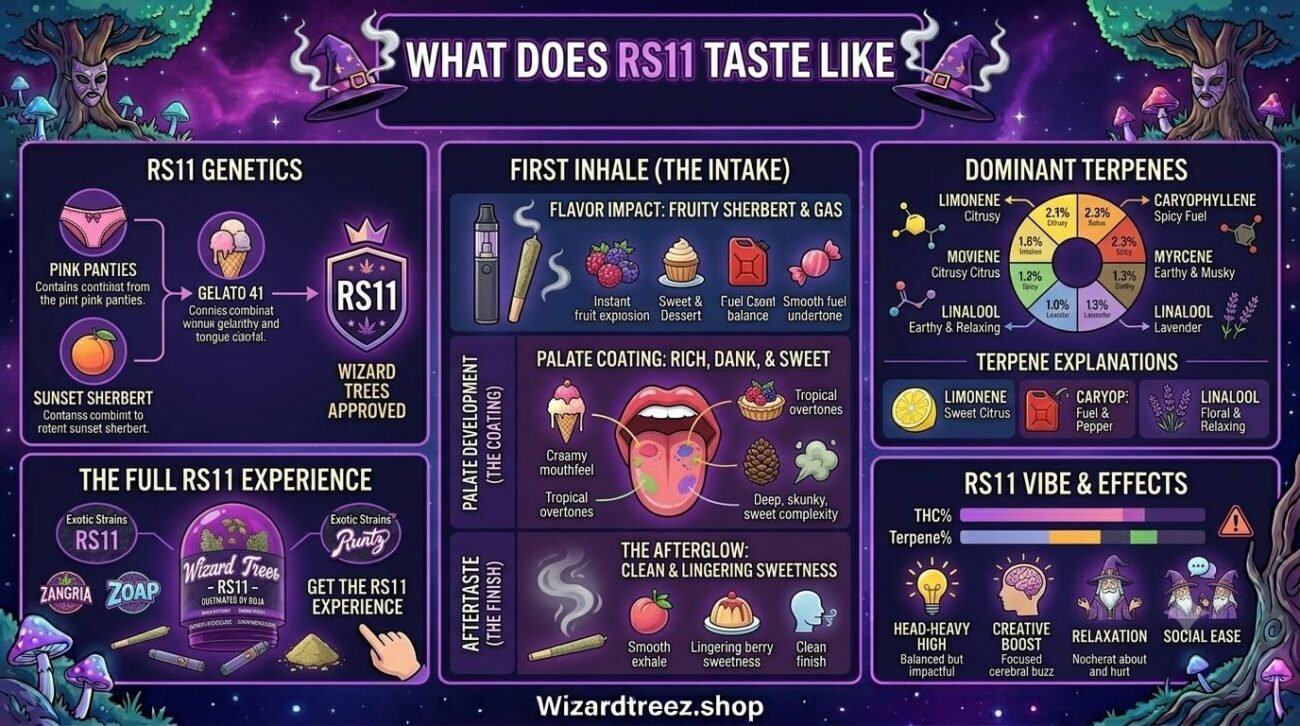
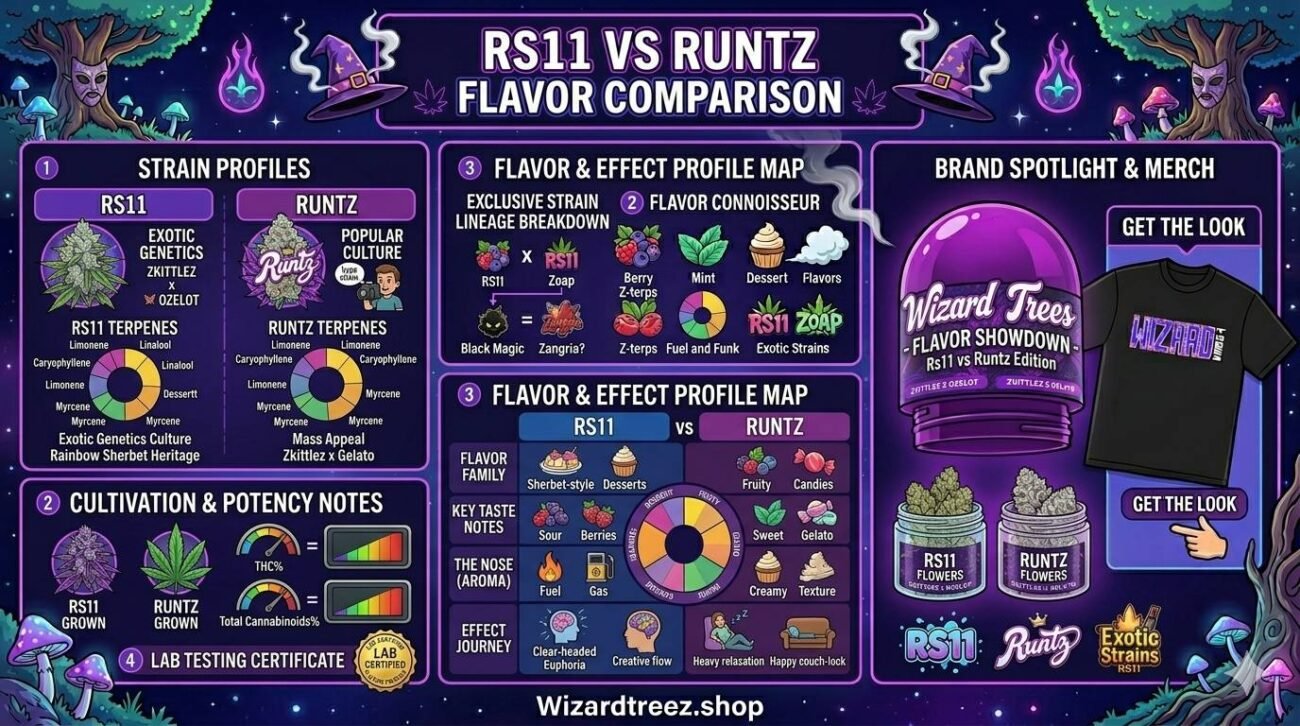
Readers examining its sensory character can explore What Does RS11 Taste Like? for a detailed breakdown of its fruit, citrus, sherbet and lightly gassy finish.
For German growers and collectors, RS11 also represents a broader lesson: a famous cultivar should be judged by whether the plant expresses the expected traits, not merely by the label attached to the seed or flower.
Wizard Trees and the European Flavour-First Movement
Wizard Trees fits naturally into Europe’s current boutique cannabis direction because its identity is closely tied to terpene-focused selections.
The catalogue includes cultivars and crosses built around Zoap, Zangria, Gelonade, Biscotti, Sherbanger and other recognised modern lines. These combinations explore different areas of the candy-gas spectrum rather than repeating a single formula.
Some cultivars lean toward:
- Creamy candy
- Red and tropical fruit
- Lemon-lime citrus
- Dough and biscuit gas
- Floral perfume
- Sweet fuel
- Sherbet and Z-style terpenes
This range matters because the European market is becoming more selective. Consumers who have encountered dozens of sweet hybrids increasingly want a cultivar with a clear identity rather than another strain described vaguely as “fruity and strong.”
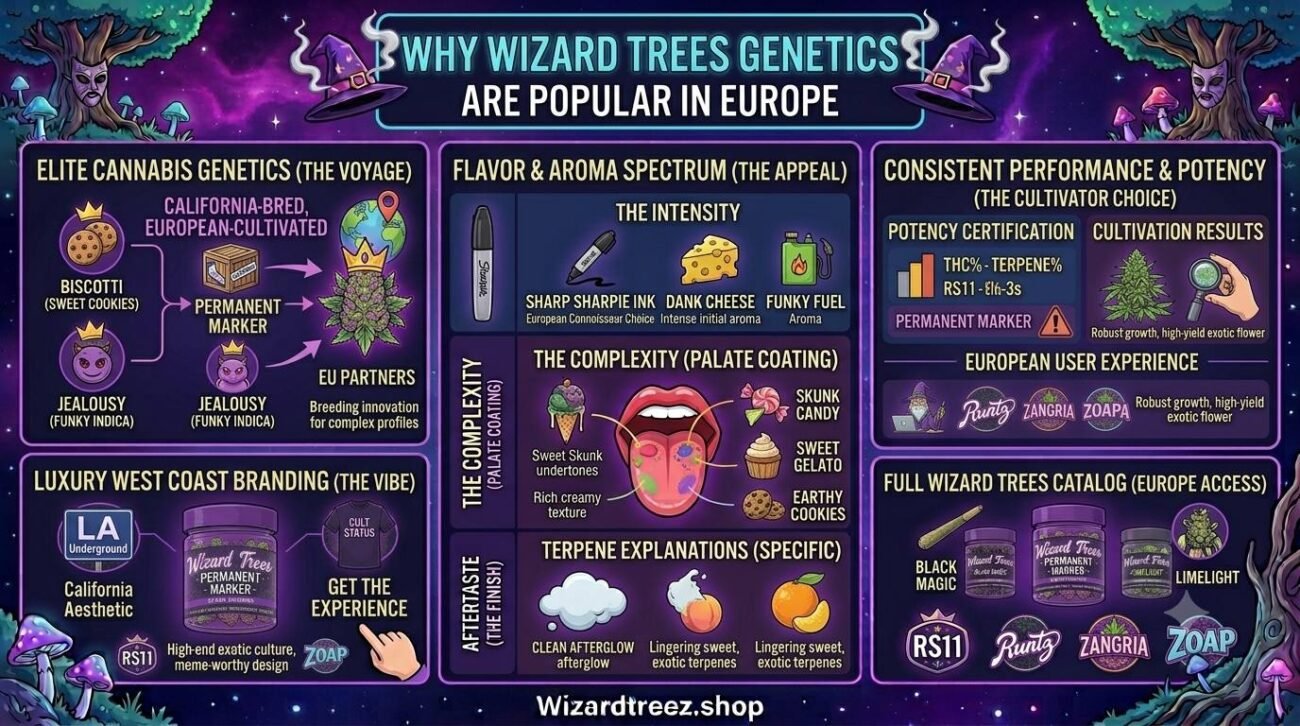
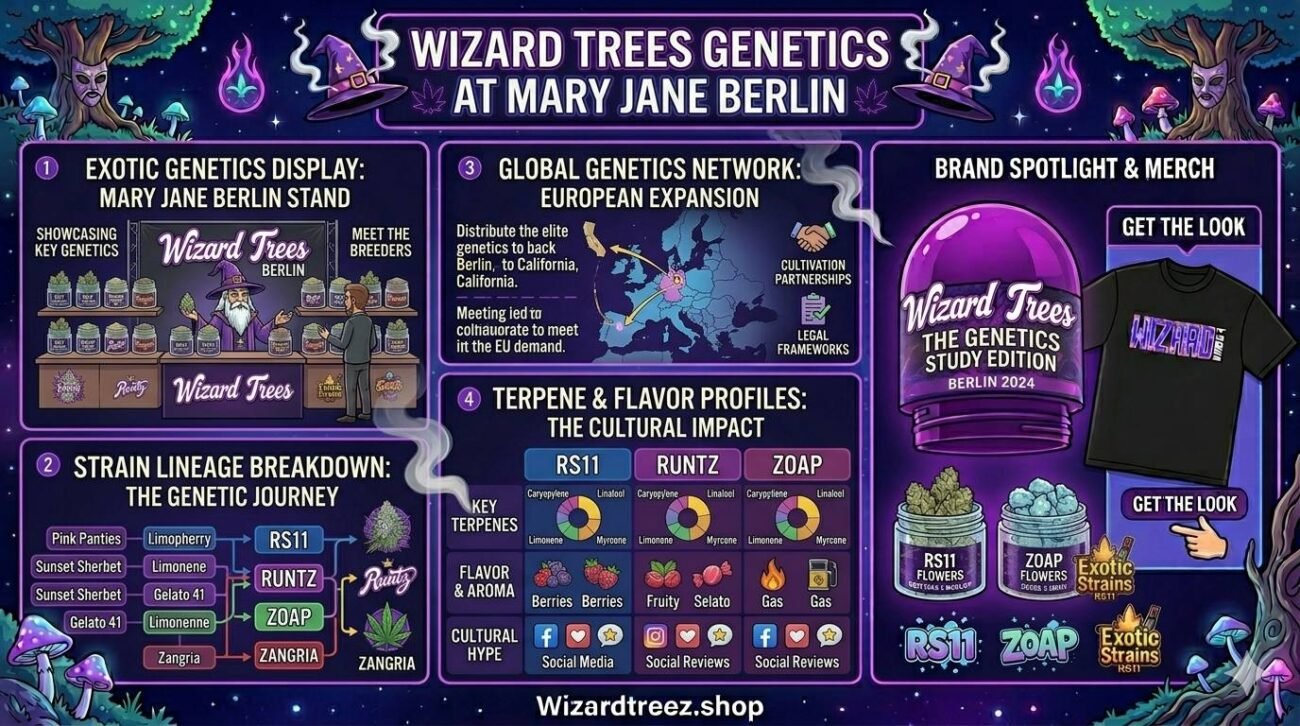
The wider cultural appeal is explored in Why Wizard Trees Genetics Are Popular in Europe, including the influence of international events, branding, regional seed access and modern indoor flower standards.
Zoza: A Modern Wizard Trees Blueprint
Zoza is an important example of how established cultivars can be combined without losing their individual character.
Its lineage brings together Zoap and Zangria, two lines closely connected to the Wizard Trees identity. Zoap contributes candy, floral soap and smooth funk, while Zangria brings colour, fruit, sweetness and resin potential.
The resulting profile is commonly associated with:
- Creamy candy
- Sweet dessert notes
- Floral funk
- Dark fruit
- Dense purple flower
- Strong visual appeal
Zoza represents what many consumers now expect from premium exotic genetics: an attractive plant with a loud profile that feels connected to its lineage.
A cultivar’s identity should also remain detectable when it appears in different finished formats. The Zoza Pre-Rolls page offers a closer look at how the strain is presented beyond loose flower.
The quality of any pre-roll still depends on the freshness and grade of the material inside it. A popular name cannot compensate for dry, low-aroma flower or poor storage.
Permanent Marker and the Demand for Unusual Terpenes
Permanent Marker is not a Wizard Trees creation, but it is highly relevant to the discussion of premium exotic genetics in Germany.
Bred by Seed Junky Genetics and selected and marketed by Doja Pak, Permanent Marker combines Biscotti, Sherb Bx and Jealousy influences. It became recognisable because it moved beyond safe dessert flavours and embraced a sharper combination of chemical solvent, floral soap, candy, spice and gas.
That profile illustrates an important trend in exotic cannabis: the most memorable strains are not always traditionally pleasant.
Permanent Marker can evoke:
- Marker ink
- Sweet solvent
- Floral perfume
- Grape candy
- Creamy sherbet
- Pepper
- Heavy fuel
Its popularity showed that consumers were ready for stranger, more polarising terpene combinations when the overall expression remained smooth and layered.
Our Permanent Marker Strain Review examines its lineage, aroma, flavour, appearance and place within modern cannabis culture.
Zangria-Based Genetics and the Expansion of Candy Gas
Zangria has become an important building block within the Wizard Trees catalogue.
Rather than remaining one finished strain, it appears across crosses designed to pull different characteristics from complementary parents. These pairings may introduce stronger citrus, dough, gas, berry or floral traits while maintaining Zangria’s colour and candy-led influence.
Examples within the wider family include combinations with:
- Gelonade
- Sherbanger
- Biscotti
- Zoap
- Lemon Cherry-influenced genetics
- Tea Time
This type of breeding strategy creates a connected family rather than a collection of unrelated strain names.
For phenotype hunters, that connection is useful. Growers may begin to recognise which characteristics Zangria tends to reinforce and how different parent combinations shift the final expression.
One cross may lean strongly toward lemon and lime. Another may produce blueberry pastry or dense doughy gas. The genetic family remains visible, but each pairing moves into a different sensory direction.
Terpene Identity Matters More Than Marketing Language
Many modern cannabis listings use the same words:
- Exotic
- Premium
- Candy
- Gas
- Fruity
- Top shelf
Those descriptions mean very little without sensory detail.
A serious evaluation should ask what type of fruit is present. Is it tropical guava, dark cherry, blueberry, citrus peel or fermented grape? Is the gas sharp and chemical, creamy and smooth, earthy or kush-heavy?
The best exotic cannabis genetics in Germany should create enough definition for people to discuss those differences.
A useful terpene description might distinguish between:
- Bright lemon-lime and sweet citrus soda
- Creamy berry sherbet and soft floral gas
- Grape candy and marker solvent
- Blueberry pastry with a fuel backbone
- Doughy Biscotti gas with red-fruit sweetness
Specific language reflects a specific experience. Generic language often hides average flower.
Authenticity Is Essential
Popular cannabis names are frequently separated from their original genetics.
Seeds, clones and finished flower may be labelled with a famous strain name even when the seller cannot document the source. In other cases, a genuine seed population may produce several phenotypes, only some of which closely resemble the recognised selection.
Buyers and collectors should therefore pay attention to:
Breeder provenance
Who created the cross, and is the history clearly documented?
Authorised distribution
Did the genetics come through the breeder or an established European partner?
Original packaging
Does the pack include the expected branding, labelling and security features?
Lineage consistency
Does the stated cross match the breeder’s official information?
Community evidence
Are independent growers producing plants that show related structure and terpene characteristics?
A strain name is not proof of authenticity. As demand rises, source verification becomes increasingly important.
Feminized Seeds and the German Indoor Environment
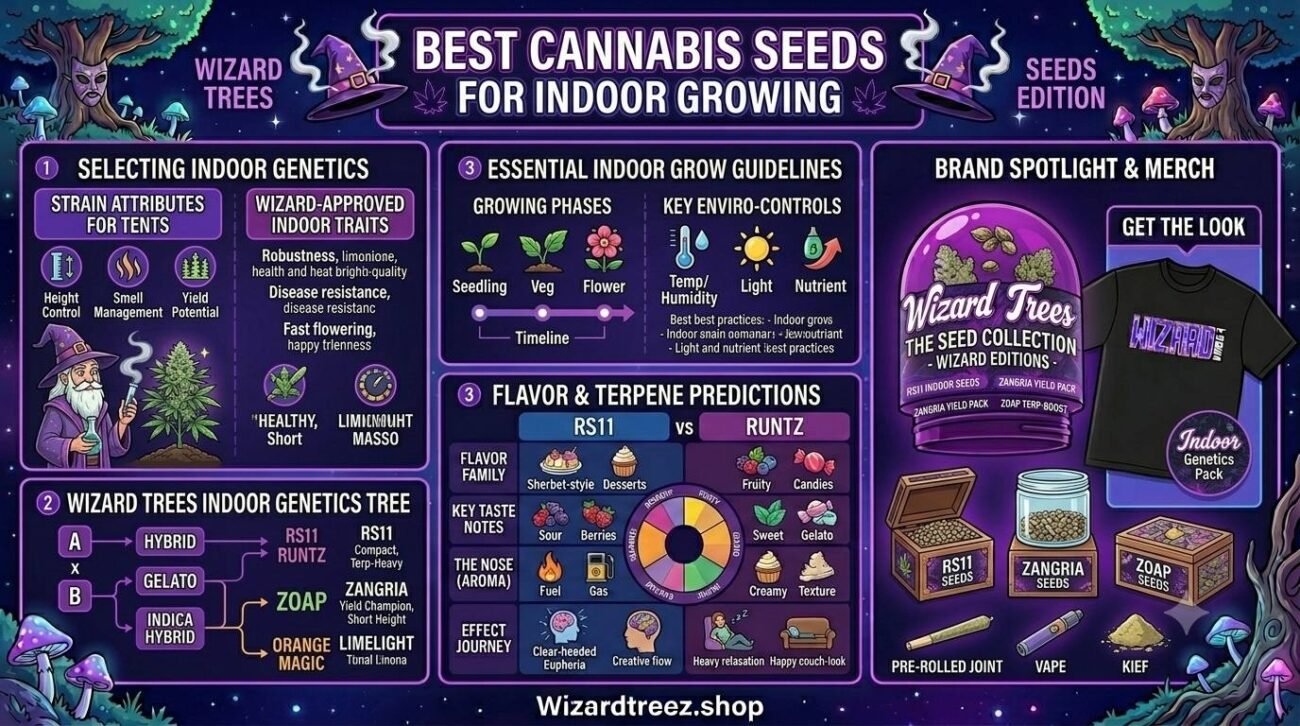
Feminized seeds are popular among home cultivators because they reduce the likelihood of producing male plants and allow limited spaces to be used more efficiently.
This is particularly relevant in Germany, where private cultivation is restricted by law and many adults grow indoors because of climate, privacy and environmental control.
Indoor growers often look for genetics that can express:
- Manageable plant structure
- Strong lateral branching
- Predictable flowering behaviour
- Dense resin coverage
- Terpene intensity under controlled conditions
- Resistance to common environmental stress
However, premium genetics do not remove the need for skill.
Temperature, humidity, airflow, lighting, nutrition, harvest timing, drying and storage all influence whether the final flower expresses its genetic potential. A poorly handled elite cultivar can deliver a weaker result than well-grown, less fashionable genetics.
Resin Quality and Solventless Potential
The German connoisseur scene is also paying closer attention to resin.
Heavy frost may look impressive, but visible trichomes alone do not guarantee strong solventless performance. Breeders and hash-focused cultivators examine factors such as trichome-head size, resin texture, maturity and how easily the heads separate from the plant material.
Genetics associated with Zoap, Z, Sherb and selected candy-gas families often attract attention because some expressions can combine loud terpenes with useful resin production.
Still, performance varies from phenotype to phenotype.
One plant may produce exceptional flower but return poorly during solventless processing. Another phenotype from the same pack may offer a stronger balance between flower quality, aroma and resin yield.
This is why serious selection involves testing plants for the intended end use rather than choosing solely by appearance.
Bag Appeal Still Matters—but It Is Not Enough
Modern exotic cannabis is highly visual.
Consumers often expect:
- Dense flower
- Purple or contrasting colour
- Bright pistils
- Thick trichome coverage
- Carefully trimmed buds
- Minimal damage or compression
These traits influence first impressions, photography and social-media visibility. They also help certain cultivars become recognisable before anyone experiences the aroma.
However, flower that looks exceptional but smells weak is incomplete.
The best genetics should combine visual quality with aroma, flavour and a clean finish. When appearance becomes the only selection criterion, breeders risk producing plants that photograph well but lack character after curing.
German Cannabis Culture Is Becoming More Knowledgeable
Germany’s developing cannabis culture is not simply copying California.
Growers and consumers are adapting international genetics to local legal conditions, indoor environments and cultural preferences. They are also combining influences from the Netherlands, Spain, the United Kingdom and North America.
This produces a community that increasingly values:
- Accurate strain history
- Cultivation transparency
- Terpene-rich flower
- Verified genetics
- Responsible legal compliance
- Clean processing and storage
- Independent grow reports
Events in Berlin and other European cities strengthen these connections, allowing breeders, collectors and consumers to compare trends directly.
The result is a market where brand recognition still matters, but informed buyers are becoming harder to impress with packaging alone.
How to Evaluate Exotic Genetics Before Choosing
There is no universal “best” strain for every grower.
The right genetics depend on the desired terpene profile, available space, experience level and intended use. Before choosing, consider the following questions.
Is the lineage documented?
A clear lineage helps establish expectations and verify authenticity.
What flavours are you actually seeking?
Candy, citrus, gas, dough, floral perfume and tropical fruit describe very different directions.
Is the strain intended for flower or resin?
The ideal phenotype for premium flower may not be the best selection for solventless processing.
How much variation is acceptable?
Some growers enjoy searching through diverse seed populations. Others prefer more uniformity.
Does the structure suit the available environment?
Plant height, branching and flowering stretch matter in limited indoor spaces.
Is the breeder accessible and established?
Official information, genuine packaging and reputable distribution reduce uncertainty.
The best choice is the cultivar that fits a clear goal, not necessarily the strain receiving the most attention online.
Final View: The Best Exotic Cannabis Genetics in Germany
The best exotic cannabis genetics in Germany combine authenticity, terpene definition, resin potential, visual quality and a meaningful breeding history.
RS11 remains a major reference point because of its fruit, sherbet and soft-gas profile. Zoza represents the layered candy and floral direction associated with Wizard Trees. Zangria crosses show how a recognised parent can be used to create citrus, pastry, fruit and gas variations. Permanent Marker demonstrates the demand for stranger chemical and perfumed profiles.
None of these cultivars is automatically superior in every environment.
Their value lies in the potential they offer skilled growers and informed collectors: strong identity, selection depth and sensory characteristics that extend beyond generic sweetness or potency.
As Germany’s cannabis community matures, the standard for “exotic” will continue rising. Names and packaging may attract the first look, but documented genetics, careful cultivation and unmistakable terpene expression will determine which cultivars retain their reputation.